Apple HomeView Explained: $299 Siri Hub, Features & Release
Apple's $299 HomeView hub pairs a 7-inch display with the all-new Siri AI and face recognition. Specs, price, release date and how it compares to Echo Show.
Key Takeaways
- Apple HomeView is a $299 smart-home hub with a 7-inch display and Siri AI, announced October 13, 2026.
- It recognizes up to six household members by face and personalizes each person's screen, calendar and messages.
- Tabletop and wall-mounted models both cost $299; pre-orders are open now and it ships November 13.
- Siri AI is built on Apple Intelligence and draws on personal context from your iPhone — but stays in beta for now.
- It won't be sold in the EU at launch because Siri AI isn't available there yet.
Apple HomeView Explained: $299 Siri Hub, Features & Release
After years of rumors, Apple finally has a screen for your kitchen counter. On October 13, 2026, at an event in New York, the company unveiled HomeView — a $299 smart-home hub built around Siri AI, the overhauled version of its voice assistant. It is the clearest signal yet that Apple wants a real seat at the table in the smart home, a space where the HomePod has long trailed Amazon and Google.
So what exactly is it, what does the new Siri change, and is $299 a fair price? Here is everything we know so far.
What is Apple HomeView?
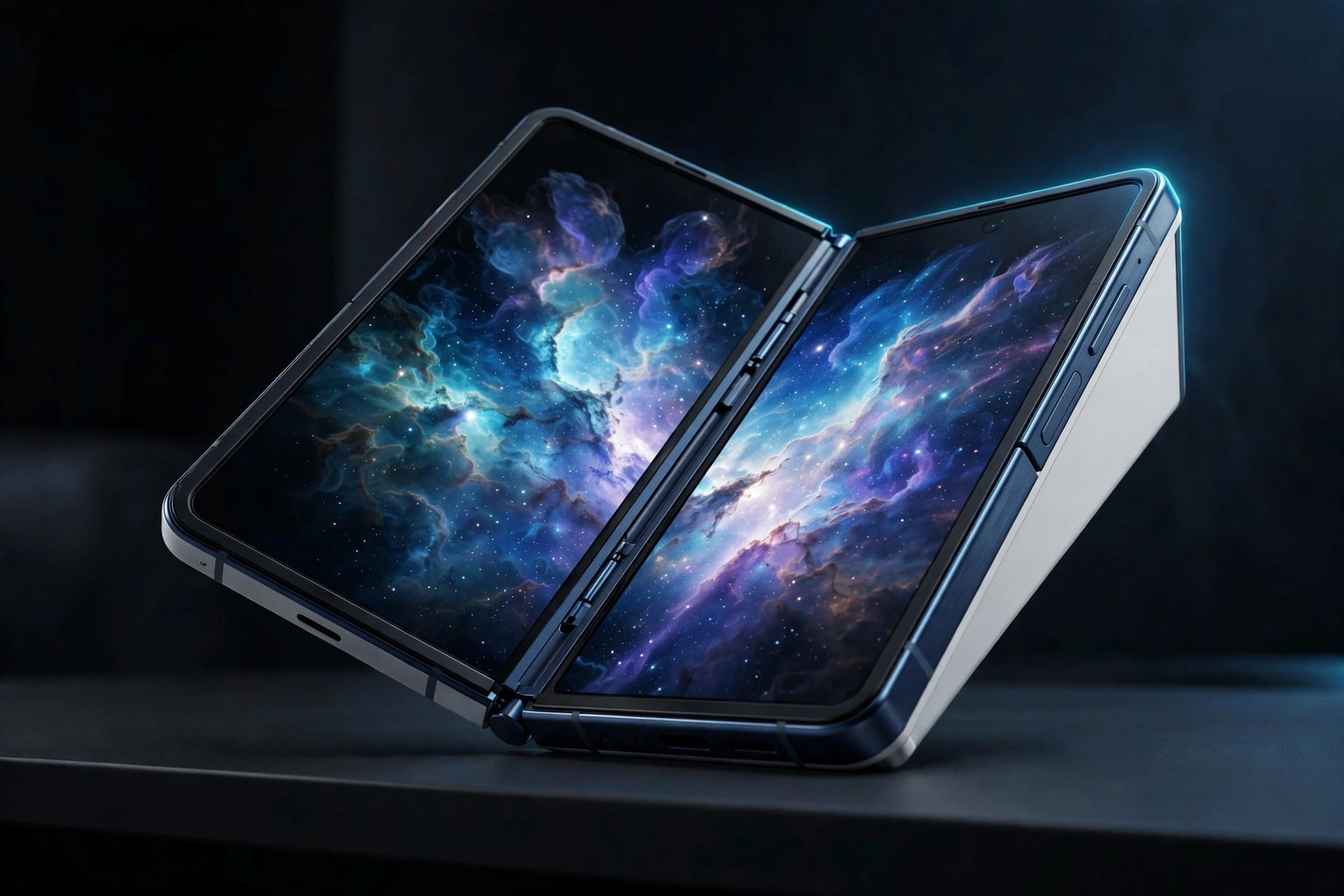
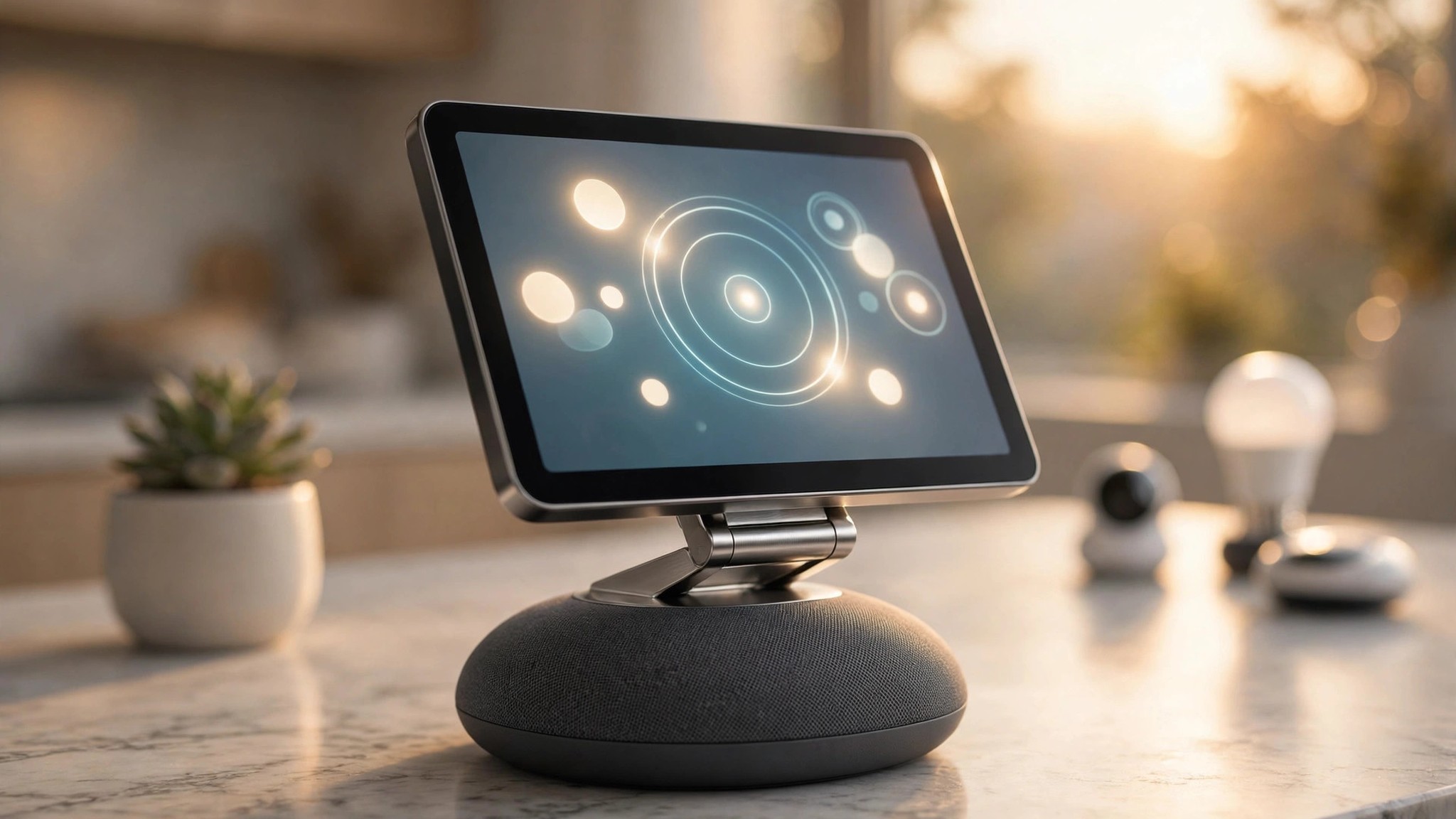
HomeView is Apple's first smart display — a dedicated household hub with a square 7-inch Liquid Retina touchscreen mounted on a domed speaker base, joined by a stainless steel tilting hinge. The body is aluminum, and the display can dim all the way down to 0.3 nits (up to 500 nits at the bright end) so it works on a nightstand without lighting up the whole room.
It comes in two forms:
- Tabletop model — the full unit with the speaker base, in silver, starlight, rose pink and space gray.
- Wall-mounted model — the same display, minus the speaker base, in space gray and silver. Mounting hardware is sold separately, with options from $59.95 to $129.95.
Both are priced at $299 in the US, and both ship on November 13, 2026. Pre-orders opened October 13 in the US, UK, Canada, Australia, India and New Zealand; Singapore pre-orders began October 15, and South African buyers can order through authorized resellers.
Under the hood sits Apple's A18 chip, driving not just the display but a serious audio system: two full-range drivers, a down-firing woofer and two force-cancelling passive radiators, all tuned for Spatial Audio, with multiroom support.
The headline feature: a Siri that knows who you are
The real story here is not the screen — it is the assistant behind it. HomeView is the debut stage for Siri AI, Apple's rebuilt voice assistant powered by Apple Intelligence. Reports also indicate the overhaul builds on AI technology from Google's Gemini, though Apple frames the experience as unmistakably its own.
Siri AI is meant to be conversational in a way the old Siri never was: you can talk to it naturally, follow up on questions, and ask it to do multi-step tasks. The standout trick is facial recognition. HomeView recognizes up to six household members by face. When you walk up, it shifts from a shared household screen to your screen: your calendar, your messages, your reminders and your widgets. Step away and another family member steps in, and the device switches to their profile. Apple stresses that private information is not exposed to whoever happens to be in the room, and that the whole setup is designed around privacy.
A few important caveats, straight from Apple's fine print:
- Siri AI is a beta feature on HomeView (listed under software version 27.2). Some server-based AI features have daily limits, and Apple has said expanded access "will be available for a fee in the future" — no price announced yet.
- You need an iPhone or iPad to set up and use multi-user features, and personal-context features (like reading your Messages and Calendar) require an Apple Intelligence-capable device. Without one, HomeView is a much dumber box.
- Not for the EU, at least not yet. Apple says it will not sell HomeView in the European Union because Siri AI is currently unavailable in iOS there. The company says it is working with regulators on a way forward.
- English only at launch, with Canadian French support promised later via a free software update.
Smart home control and cameras
On the smart-home front, HomeView does what you would expect a 2026 hub to do. It controls lights, thermostats, locks and cameras by touch or voice, and it supports Apple Home and Matter accessories — Apple's own home platform plus the cross-brand standard that keeps the ecosystem from being a walled garden.
The camera story is one of HomeView's stronger cards. A dedicated Home Camera face can livestream up to nine video feeds simultaneously on the display — genuinely useful if you have cameras around the house, though certain camera features require an iCloud+ subscription.
The display also offers a set of "faces" for at-a-glance information: a Photos face, a Flow face that responds to movement, a Home Modular face for instant access to your accessories. And yes, it does FaceTime video calls, plus music, video and a digital-photo-frame mode when idle.
The rest of Apple's smart-home push
HomeView did not arrive alone. Apple also announced:
- Apple TV 4K (4th generation) — $299, also shipping November 13, with far-field microphones and A19 silicon. Existing 2021-and-later Apple TV 4K owners get Siri AI as a free beta update.
- HomePod mini 2 — $149 (up from $99), arriving October 30. Siri AI comes to it later via a software update.
- Apple Home Collection — cameras, thermostats and a door lock built with LG and Schneider Electric, priced from $39.95 to $399.95, rolling out from December with some items landing in early 2027.
This is one of the first major launches under John Ternus, who took over as CEO from Tim Cook on September 1, 2026, and it reflects his pitch of the iPhone as an "intelligent personal hub" — HomeView essentially extends that hub onto your countertop.
HomeView vs Echo Show vs Nest Hub
Amazon Echo Show 8 — the refreshed 2026 model sells for around $180–$200, with a bigger 8.7-inch display, a 13MP camera, and a built-in smart-home hub covering Zigbee, Matter and Thread. Alexa+ is free for Prime members ($19.99/month otherwise). It is the better value for most people, but it cannot match HomeView's face-based personalization or audio hardware.
Google Nest Hub (2nd gen) — just $99.99, a 7-inch display with no camera at all (a privacy selling point for many). Google's assistant smarts and YouTube integration remain strong, and basic features are free while Gemini Live sits behind the $10/month Google Home Premium tier. The hardware is from 2021, though, and it is showing its age.
HomeView's $299 price looks steep next to those two — but Apple's play has always been to charge a premium for privacy, build quality and ecosystem polish. The question is whether Siri AI and face-based personalization justify more than triple the Nest Hub's price.
Who should buy it?
HomeView makes sense if you are deep in the Apple ecosystem: you own a recent iPhone, you already use Apple Home or Matter devices, and you like the idea of a shared family screen that still feels personal. The audio hardware also makes it a legit music speaker, which sweetens the deal.
Skip it (for now) if you live in the EU, do not have an Apple Intelligence-capable iPhone, or your home runs on Alexa or Google. In those cases the Echo Show 8 or the $100 Nest Hub delivers 90% of the functionality for far less money.
The verdict
HomeView is Apple's most serious smart-home play ever — and arguably its most important AI product of the year. The $299 price is high, the iPhone dependency is real, and the EU exclusion is a rough start. But the combination of face recognition, a genuinely conversational Siri, strong audio and Matter support gives Apple a product that finally feels new, not just a catch-up device.
Whether it succeeds depends on one thing: whether Siri AI actually delivers on the demos. The old Siri promised the moon and gave us timers. If the new one is as smart as Apple claims, November 13 could be the day Apple finally becomes a smart-home brand worth paying for. If not, it is a very handsome, very expensive photo frame.
FAQs
How much does Apple HomeView cost?
Both the tabletop and wall-mounted models cost $299 in the US. Wall-mount hardware is sold separately, with options starting at $59.95.
When will Apple HomeView be released?
Pre-orders opened October 13, 2026, in the US, UK, Canada, Australia, India and New Zealand. The device ships on November 13, 2026.
What is Siri AI on HomeView?
Siri AI is Apple's overhauled voice assistant, built on Apple Intelligence and reportedly Google Gemini technology. It's more conversational than the old Siri and can use personal context from your iPhone. It ships as a beta feature.
Does HomeView support Matter?
Yes. HomeView works with Apple Home and Matter accessories, and can stream up to nine camera feeds at once. Some camera features require an iCloud+ plan.
Why isn't HomeView available in the EU?
Apple says Siri AI is currently unavailable in iOS in the European Union due to competition-rule compliance issues. It's working with the EU on a path forward.
Is HomeView better than the Echo Show or Nest Hub?
HomeView costs more at $299 but offers face-based personalization, stronger audio hardware and deep iPhone integration. The Echo Show 8 (around $180) and Nest Hub ($100) are cheaper and better picks for Alexa or Google households.
Written by
AI Trends Daily Team
The AI Trends Daily team researches AI and technology daily, then explains it in plain English — no jargon, no hype, just what matters.