Google AI Mode Update 2026: Links Get More Visibility
Google's October 2026 update makes inline links, news carousels, and creator profiles more visible in AI answers. Here's what changed and what it means for publishers.
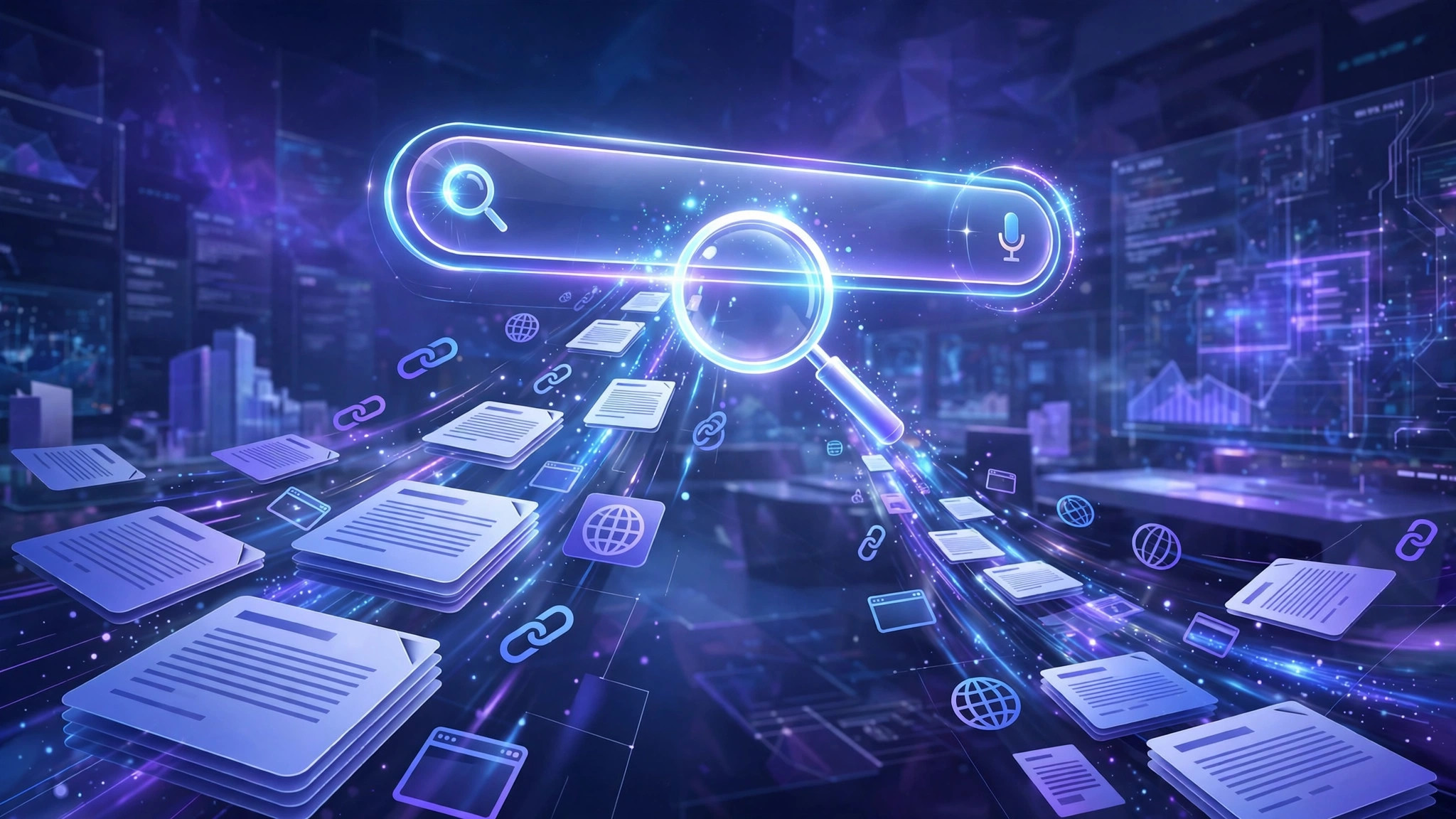
Key Takeaways
- Google announced the update on October 15, 2026: inline links will appear higher up and more often in AI Mode and AI Overviews.
- A new test section highlights the 1-2 official links you need for a task, with context explaining why each is useful.
- News carousels expand worldwide and highlight your Preferred Sources, which grew 7x in usage during 2026.
- The 'Dive Deeper' section gets image thumbnails and a more clickable design; video results get clickable creator and publisher names.
- Google is paying 400+ publishers in its News AI licensing pilot — but publishers still report a ~40% traffic drop from AI summaries.
- For publishers, the fix is still the same: be a preferred, trustworthy source, because Google now actively surfaces those.
Google AI Mode Update 2026: Links Get More Visibility
Google's AI answers have had one persistent complaint since day one: they swallow the web. You ask a question, you get a polished summary, and you never click anything. On October 15, 2026, Google moved to fix that — announcing a package of updates to AI Mode and AI Overviews designed to make links to websites, news articles, and creators harder to miss.
For publishers, bloggers, and anyone whose business depends on search traffic, this update matters. Here's what's changing, why Google is doing it now, and what it means for you.
Why this update is happening now
The timing is not a coincidence. AI-generated search results have been quietly draining publisher traffic for over two years. A report by analytics firm Chartbeat put a number on it: news publishers saw roughly a 40% drop in traffic arriving from Google between July 2025 and July 2026. Studies have repeatedly found that when users get a complete answer in an AI summary, they click through to source links far less often.
Publishers have not stayed quiet. In August, Apig — a group representing French daily newspapers — alerted the French Competition Authority, arguing that AI summaries breached agreements Google reached with news publishers in 2022. Against that backdrop, Google needs AI search to look like a traffic source for publishers, not just a substitute for them.
It's also worth noting the scale involved. Google says AI Overviews reached more than two billion monthly users across 200+ countries, so even small changes to how links appear inside those answers affect an enormous share of the web's referral traffic.
What's changing: the five key updates
1. Inline links move higher and appear more often
The most significant change is the simplest one. Inline links — the citations embedded directly in the words and phrases of an AI-generated answer — will now appear "higher up in responses, more frequently." Until now, sources tended to be buried at the bottom of an answer or hidden behind icons users rarely noticed. Google has been steadily increasing their presence, and this update pushes them closer to where people actually read.
For readers, this is the most useful change: the evidence behind an AI's claim now sits right where the claim is made, making it easier to verify what the model is telling you.
2. A new section for the links you actually need
Google is also testing a dedicated section at the top of some AI responses that highlights the one or two official links you need to complete a specific task or get exact information. Each link comes with a short explanation of why it's useful — for example, why a particular airline's website is the right place to manage your booking rather than a third-party article about it.
This targets queries where users don't want to read a summary at all; they want to get somewhere. It's Google acknowledging that sometimes the best AI answer is a door, not a paragraph.
3. News carousels go global — with your Preferred Sources
Google is expanding its prominent carousels of timely news articles to more regions and languages worldwide. These cards — headlines with images shown directly below or inside AI answers — help users discover reporting on developing topics.
Importantly, the carousels highlight articles from publishers you've selected through the Preferred Sources feature. Google says usage of that feature has grown more than sevenfold since the start of 2026, which suggests users do want a way to steer AI search back toward publications they trust. Publishers should take note: becoming someone's preferred source is now a direct distribution advantage.
4. The "Dive Deeper" section gets a visual upgrade
The links shown at the end of some AI responses — Google's nudge for users who want to explore further — are getting image thumbnails and what the company calls a "more clickable design." It sounds cosmetic, but visual links consistently earn more clicks than bare text URLs. Google has also said it will pull in content from relevant social media posts and forums, widening the range of sources beyond traditional websites.
5. Clickable creator and publisher names in video results
In AI Mode, video results will now show clickable creator and publisher names. Tapping one takes you to a Search profile where you can learn about the creator and browse more of their work. Google is positioning these profiles as a way to give context on who's behind a video — another small step toward crediting the people who actually made the content the AI is summarizing.
The bigger picture: Google is also paying publishers
Tucked into the announcement was a figure worth watching: Google says more than 400 publications worldwide are now part of its News AI pilot licensing program, where it pays for the delivery and use of enhanced content to develop new AI features. Companies including Axios, CNN, and the Financial Times are reportedly among the partners in expanded commercial deals.
That's a meaningful shift from the "take it all, pay for nothing" model publishers accused Google of. But licensing deals and link visibility are two different things — a handful of large publishers getting paid doesn't automatically help the thousands of independent sites still losing traffic.
What this means for publishers and bloggers
Let's be honest about what this update is and isn't. It is not a reversal of zero-click search. AI answers will still answer most questions on the page, and many users will still never click. What it does do is raise the ceiling for the publishers who do get cited: inline links in higher positions, visual Dive Deeper cards, global news carousels, and Preferred Source highlighting all push more traffic toward sites Google considers authoritative.
The practical playbook for publishers hasn't changed much — it has just become more urgent:
- Be genuinely worth citing. Original reporting, real expertise, and accurate data are what Google's systems look for when choosing which links to surface.
- Get users to set you as a Preferred Source. If your readers explicitly prefer you, the new carousels will favor your articles.
- Use images well. With thumbnails now attached to related-article links, strong visuals directly affect click-through.
- Set up your Search profile. Clickable creator and publisher names are rolling out, and an eligible creator profile gives readers another reason to explore your work.
The verdict
Google's October 2026 AI Mode update is a real, substantive improvement for anyone who cares about the open web — readers get clearer sourcing and verification paths, and publishers get more visible doors back into their content. Whether it's enough to offset the traffic publishers have lost to AI summaries is an open question, and the answer will show up in analytics dashboards over the coming months, not in announcement blog posts.
One thing is clear: the fight over who benefits from AI search is still wide open. And for now, Google is at least pretending to be on the publishers' side.
What's your experience with AI Overviews and your site's traffic? If you run a website, check whether it's set up as a Preferred Source candidate and how your content appears inside Google's AI answers.
FAQs
When did Google announce the AI Mode link visibility update?
Google announced the changes on October 15, 2026. They apply to both AI Mode and AI Overviews in Search and are rolling out alongside new test features.
What is changing in Google AI Mode?
Inline links appear higher up and more frequently, a new test section highlights 1-2 official links for completing a task, news carousels expand globally with Preferred Sources, the Dive Deeper section gets image thumbnails, and creator names in video results become clickable.
Why is Google changing AI Mode links now?
Publishers have reported steep traffic losses — a Chartbeat report cited a 40% drop in Google-driven news traffic between July 2025 and July 2026 — and pressured Google, including a complaint to the French Competition Authority in August. More visible links are Google's answer.
Does Google pay publishers for AI Mode content?
Google says over 400 publications worldwide are part of its News AI pilot licensing program, where it pays for the delivery and use of enhanced content to develop new AI features.
Will these changes restore publisher traffic?
That remains uncertain. More visible links and carousels should help, but whether they offset the traffic lost to zero-click AI answers is something publishers and analysts will be watching closely.
Written by
AI Trends Daily Team
The AI Trends Daily team researches AI and technology daily, then explains it in plain English — no jargon, no hype, just what matters.
Related Articles
 Trending
Meta Drops AI Training Clause From Business Terms
Meta removed the word 'train' from its new commercial terms after publisher backlash. What changed, what still takes effect October 30, and what to check.
October 18, 2026
 Trending
Flying Tesla Roadster Explained: Demo, Price, Release Date & Can It Fly? (2026)
Tesla's new Roadster drove upside down, flew and flipped using SpaceX thrusters in its Oct 15 debut. Demo details, 3 versions, price, 2028 release date and whether it can really fly.
October 17, 2026
 Trending
ChatGPT Image Ads Explained: What US Users Will See (2026)
OpenAI is testing visual ads inside ChatGPT's image generator for US users in October 2026. Here's what they look like, who sees them, and how to stay ad-free.
October 17, 2026